



Aerospace Engineering in Canada
 Mbbs 28 Jul, 2025
Share
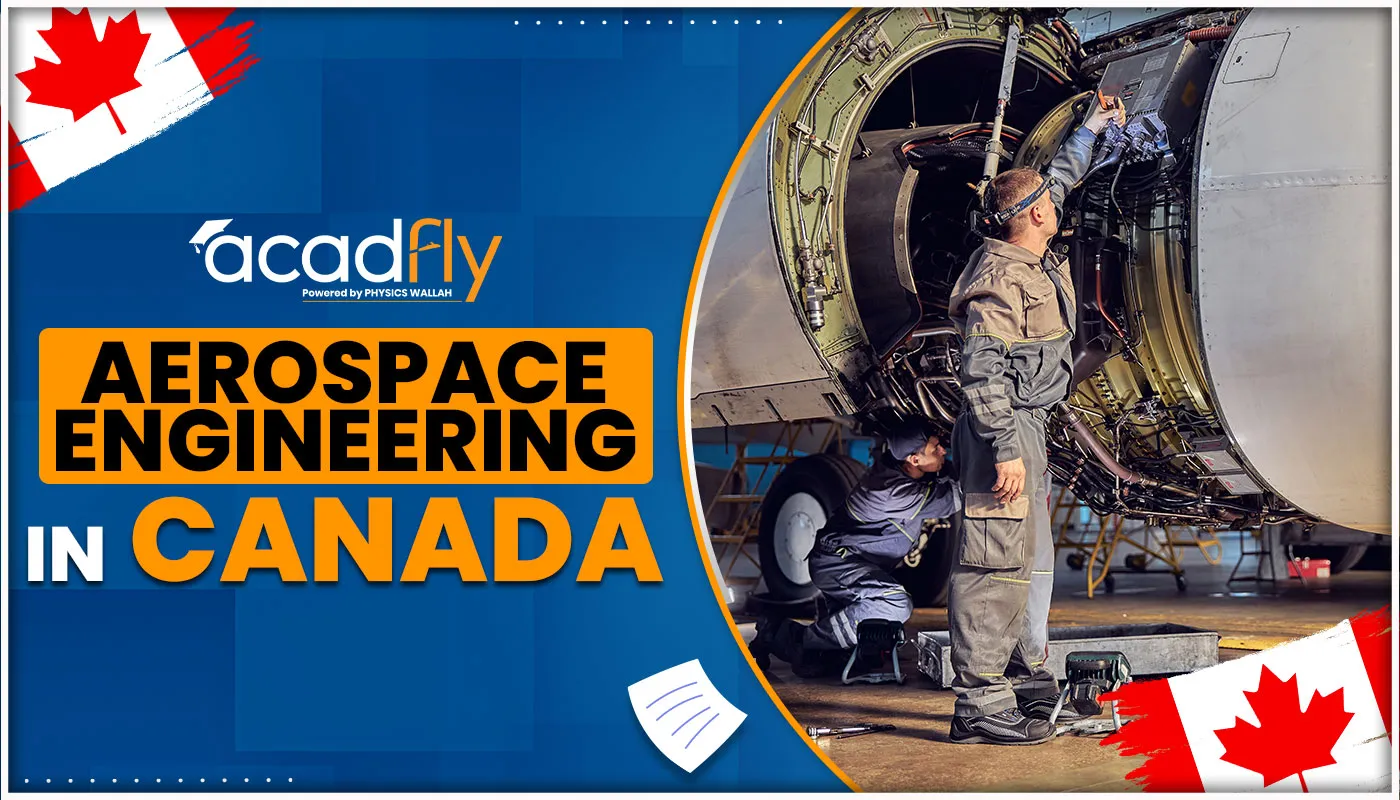
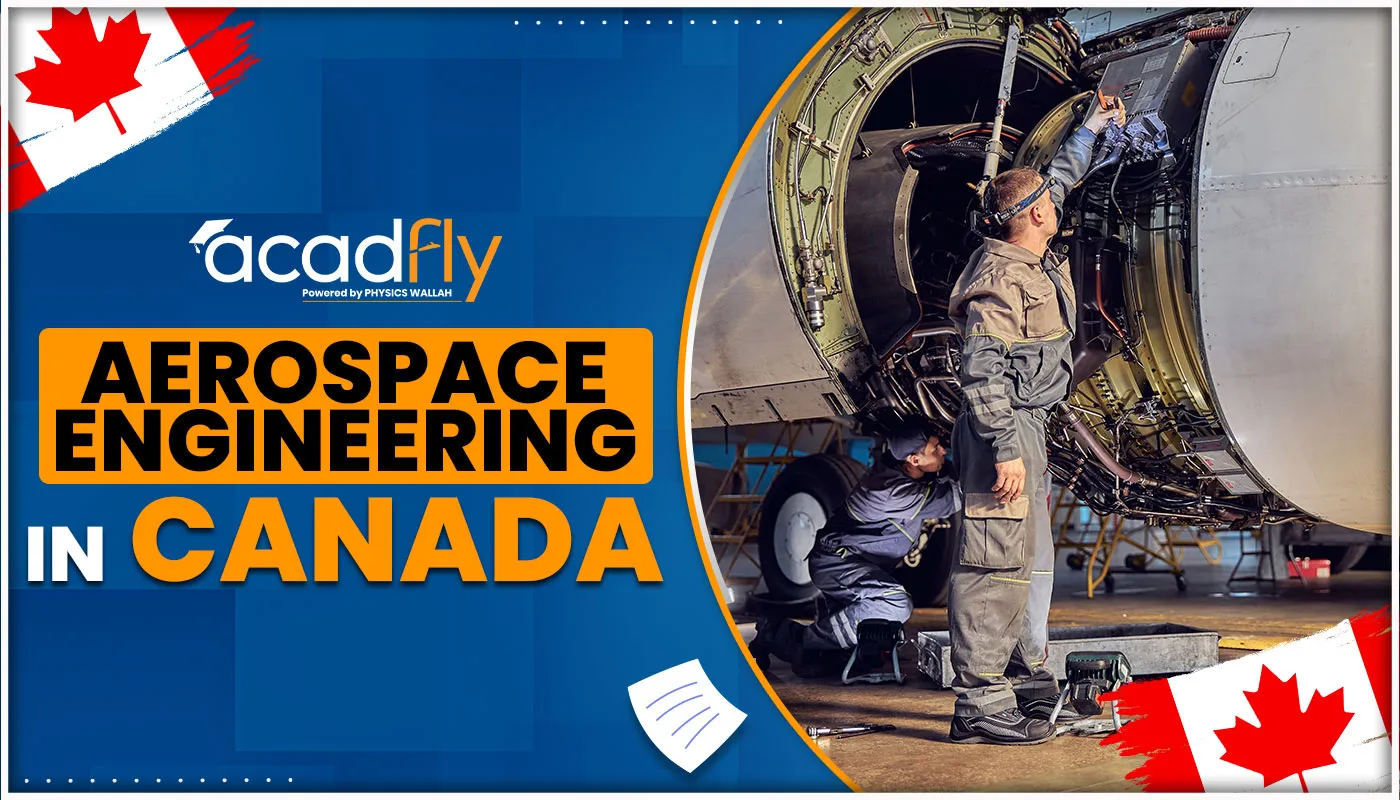
Aerospace engineering stands as a beacon of human ingenuity, propelling humanity into the vast expanse of space and shaping the way we navigate the skies. In Canada, a nation renowned for its vast landscapes and spirit of innovation, aerospace engineering holds a prominent position, driving technological advancements, economic growth, and national pride. This comprehensive exploration delves deep into the realm of aerospace engineering in Canada, examining its significance, educational landscape, career prospects, and the myriad factors that contribute to Canada's status as a global leader in aerospace excellence.
Aerospace Engineering in Canada: A Comprehensive Overview
Aerospace engineering encompasses a multidisciplinary field dedicated to the design, development, testing, and maintenance of aircraft, spacecraft, satellites, and associated systems and technologies. In Canada, aerospace engineering plays a pivotal role in shaping the nation's aerospace industry, driving innovation, fostering collaboration, and contributing to economic prosperity and national security.
The Educational Landscape: Nurturing Talent and Innovation
Canada boasts a robust educational infrastructure that nurtures talent and fosters innovation in aerospace engineering. Several esteemed universities across the country offer comprehensive undergraduate and graduate programs in aerospace engineering, providing students with a holistic education that blends theoretical knowledge with hands-on experience.
Institutions such as the University of Toronto, University of British Columbia, McGill University, Carleton University, and École Polytechnique de Montréal are recognized for their cutting-edge aerospace engineering programs. These programs cover a diverse array of disciplines including aerodynamics, propulsion, structures, materials, avionics, and space systems, preparing graduates to excel in a rapidly evolving industry.
Career Prospects: Opportunities Across the Aerospace Spectrum
Graduates of aerospace engineering programs in Canada are well-equipped to pursue rewarding careers across various sectors of the aerospace industry. Opportunities abound in aerospace manufacturing, research and development, government agencies, defense organizations, and space exploration enterprises.
Canada's aerospace industry is globally renowned for its excellence in aerospace manufacturing, with companies such as Bombardier, Pratt & Whitney Canada, CAE, and Magellan Aerospace leading the charge in aircraft and aerospace systems production.
Furthermore, Canada's involvement in the space sector is significant, with organizations like the Canadian Space Agency (CSA) and companies such as MacDonald, Dettwiler and Associates (MDA) making substantial contributions to satellite development, space exploration missions, and satellite communications technologies.
Factors Contributing to Canada's Aerospace Excellence
Canada is recognized globally for its leadership in aerospace engineering, made by advanced research facilities, strong government support, and partnerships with international aerospace companies. Its manufacturing capabilities, innovative universities, and focus on practical learning make it an excellent choice for students in this field. Several key factors contribute to Canada's reputation as a hub for aerospace excellence:
-
Innovation Ecosystem: Canada boasts a vibrant innovation ecosystem that fosters collaboration between academia, industry, and government. Strategic partnerships drive research, development, and technology transfer, propelling advancements in aerospace engineering and related fields.
-
Skilled Workforce: Canada's aerospace industry benefits from a highly skilled and diverse workforce comprising engineers, scientists, technicians, and skilled tradespeople. A strong emphasis on education, training, and professional development ensures that Canada remains at the forefront of aerospace innovation and competitiveness.
-
Government Support: The Canadian government provides strategic investments, incentives, and support programs to stimulate growth and innovation in the aerospace sector. Initiatives such as the Strategic Aerospace and Defence Initiative (SADI) and the National Research Council of Canada's Aerospace Research Centre (NRC-ARC) facilitate collaborative R&D activities that strengthen Canada's aerospace capabilities.
-
International Collaboration: Canada actively collaborates with international partners, including NASA, the European Space Agency (ESA), and other space-faring nations, on space exploration missions, satellite projects, and aerospace research initiatives. These collaborations enhance Canada's aerospace capabilities, expand market opportunities, and foster global leadership in space exploration and technology.
In conclusion, aerospace engineering in Canada offers a wealth of opportunities for those passionate about pushing the boundaries of human exploration and innovation. With world-class educational programs, a thriving aerospace industry, and a supportive innovation ecosystem, Canada stands poised to continue its legacy of aerospace excellence well into the future. As Canada embarks on ambitious ventures in aerospace exploration and technology, the opportunities for discovery, innovation, and collaboration are truly limitless. So, dare to dream, dare to explore, and let your journey in aerospace engineering soar to new heights in the Great White North.
Aerospace Engineering in Canada FAQs
What are the top universities for aerospace engineering in Canada?
What is the duration of aerospace engineering degree in Canada?
What are the eligibility criteria for aerospace engineering in Canada?
Are scholarships available for international aerospace engineering students in Canada?
Is aerospace engineering a good career in Canada?